
How to Add Subtitles in iMovie (Mac/iPhone/iPad)
98% accurate, real-time transcription in just a few clicks. 58 languages and multiple platforms supported.
You can add subtitles and captions to any video in iMovie using the built-in Title feature. The process is fully manual. iMovie does not generate subtitles automatically, and it does not support importing SRT files directly. Every subtitle line requires its own Title box placed on the timeline, so for a long video this takes real time.
There is one practical shortcut worth knowing before you start: if you already have an SRT file for your video, you can open it in any text editor and copy-paste each line of text into iMovie's Title boxes. You still need to place and time each box manually, but you avoid retyping the words from scratch.
This guide covers how to add subtitles in iMovie on Mac and on iPhone or iPad.
Subtitles, Captions, and Closed Captions in iMovie: What's Possible
These terms are often used interchangeably, but they mean different things technically.
Subtitles transcribe spoken dialogue, typically for viewers who speak a different language. Captions transcribe all meaningful audio, including sound effects and speaker identification, typically for viewers who are deaf or hard of hearing. In iMovie, both are created the same way as text overlays using the Title feature.
Closed captions are a separate matter. True closed captions exist as an independent track that viewers can toggle on or off. iMovie does not support closed caption tracks. Whatever you add using the Title feature is burned into the video at export, meaning it cannot be turned off by the viewer. If you need proper closed captions (as a separate SRT or VTT file), iMovie is not the right tool for that job; you would need a dedicated captioning tool or video editor that supports subtitle tracks.
How to Add Subtitles in iMovie on Mac
Creating some great videos takes a lot of time and work. There's researching, writing, editing, and a lot more involved in the process. After all of that, you'll need subtitles and captions to improve the reach of content. Manually adding subtitles or captions to iMovie videos on Mac needs time and effort, but it's pretty simple. Here's how to add subtitles to iMovie on Mac.
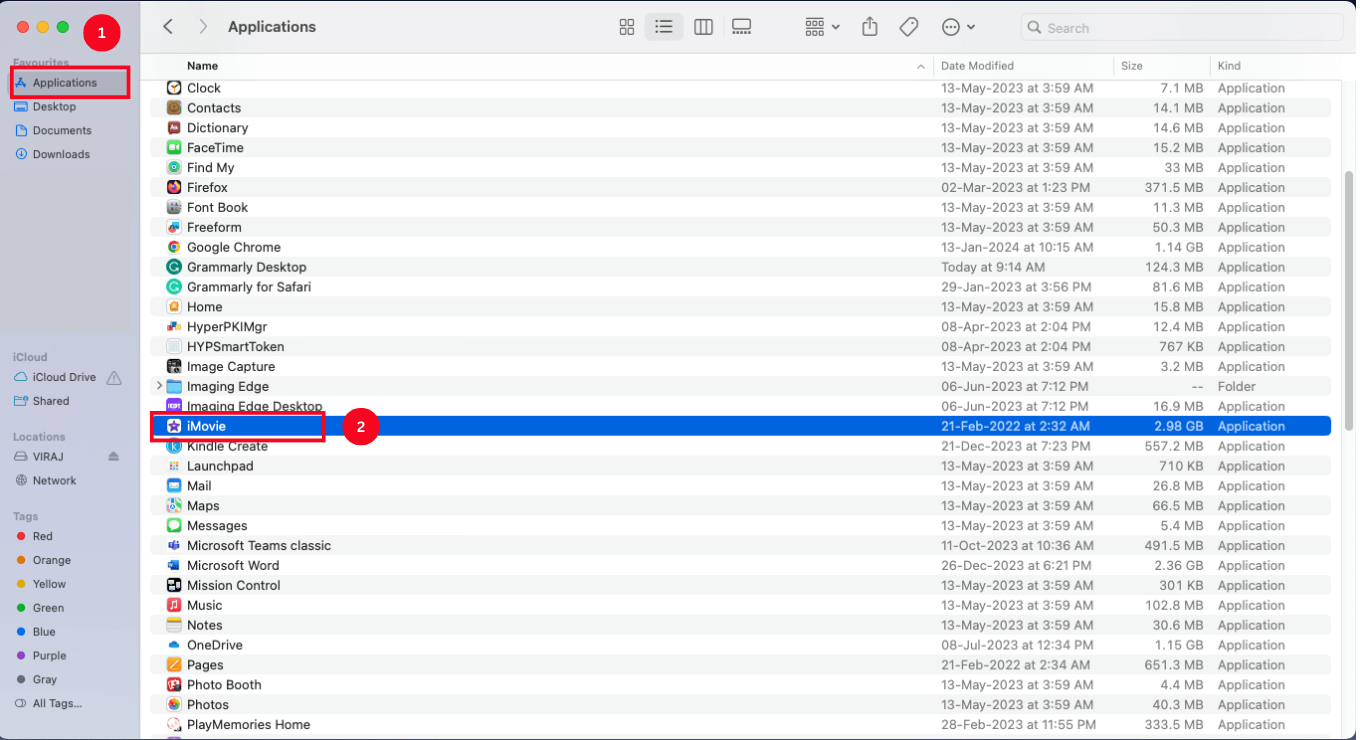
Step 1: The first step is to simply launch an iMovie application on Mac, which is generally available in the dock. If you can't find the app here, just head to the Finder > Applications folder and open iMovie.
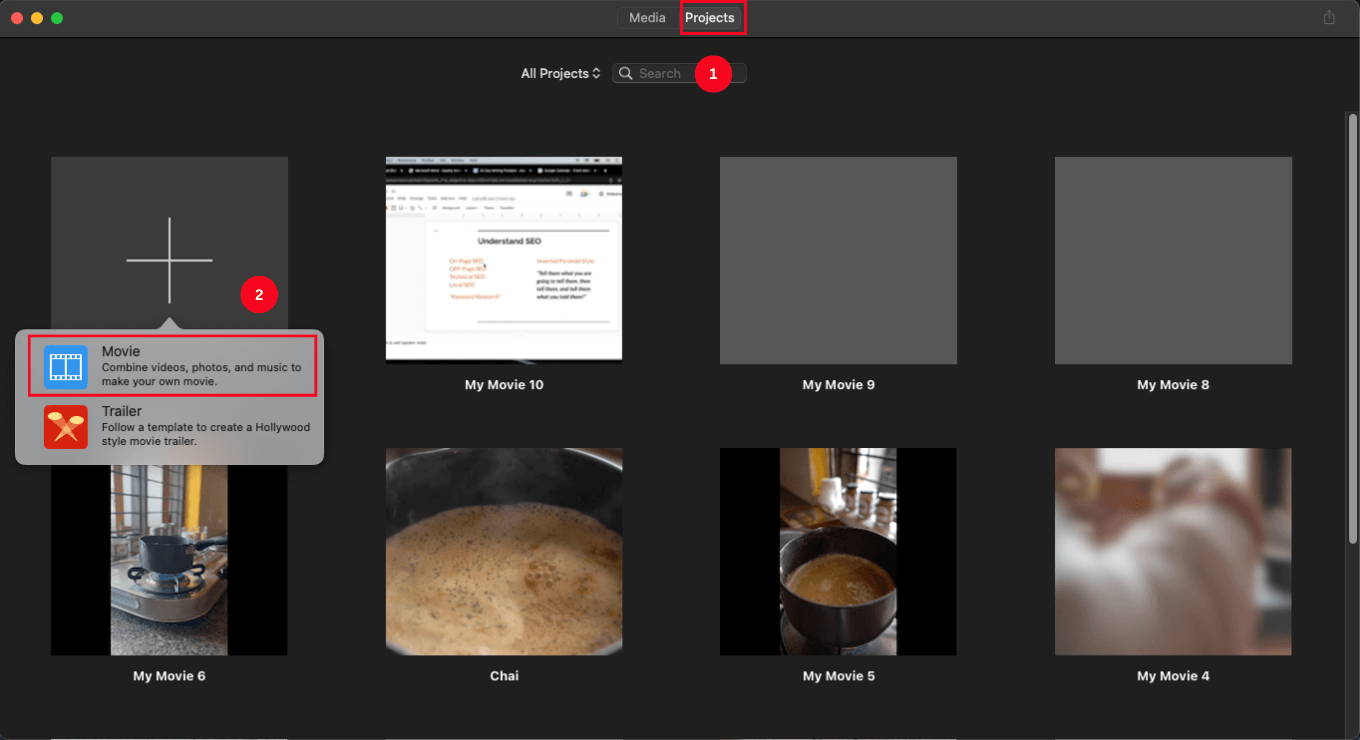
 Step 2: Next, you'll need to create a new project. For this, go to Projects > Create New and then select the ‘Movie’ option. Finally, import the video in which you'd like to add subtitles.
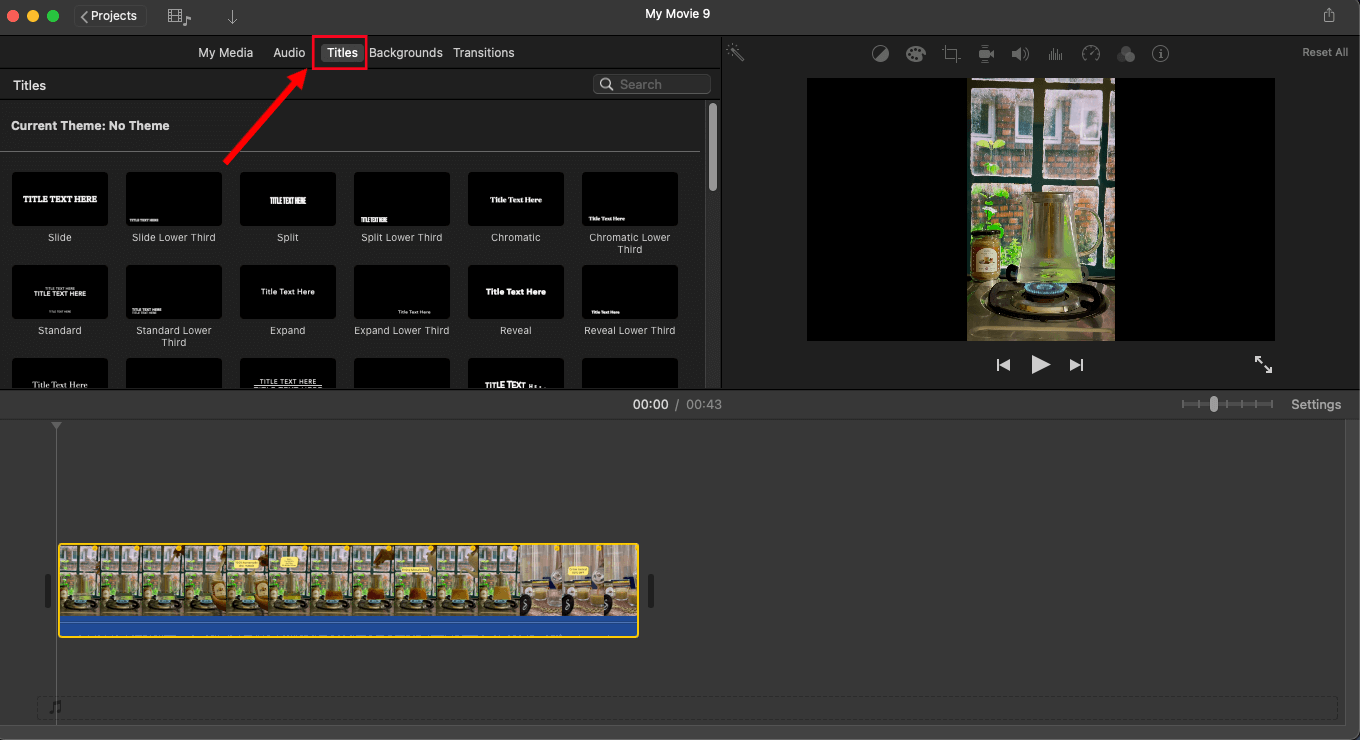
 Step 3: Locate and select the ‘Titles’ sign, followed by picking the title style of your choice from the available options like Split, Focus, Slide, and Expand. You can either drag the option to the desired location on the clip or double-click the preferred title (or subtitle) style to add it.
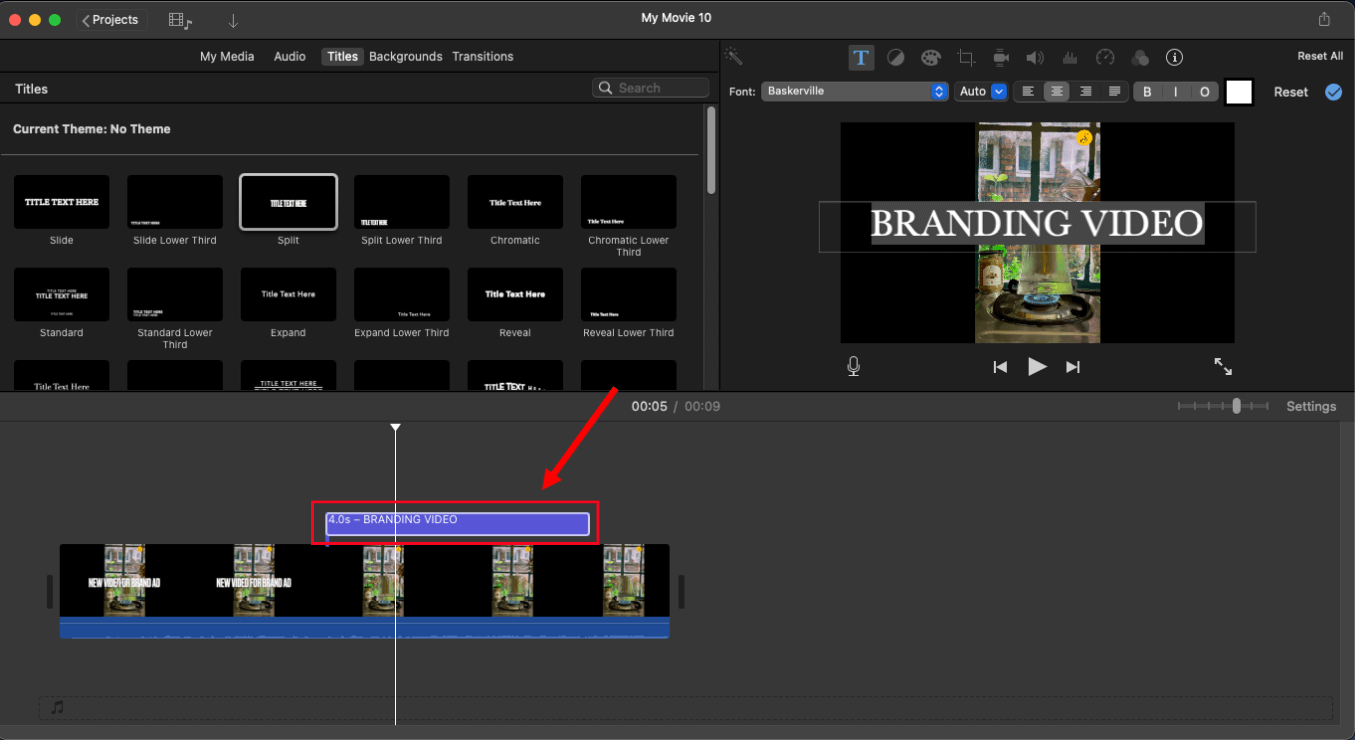
 Step 4: Now, drag and drop the Title box to the timeline and pick when you'd like to begin the subtitles. Each text box will be available above the video clip and have a timestamp on it. Start typing the subtitles or captions directly into the text box.
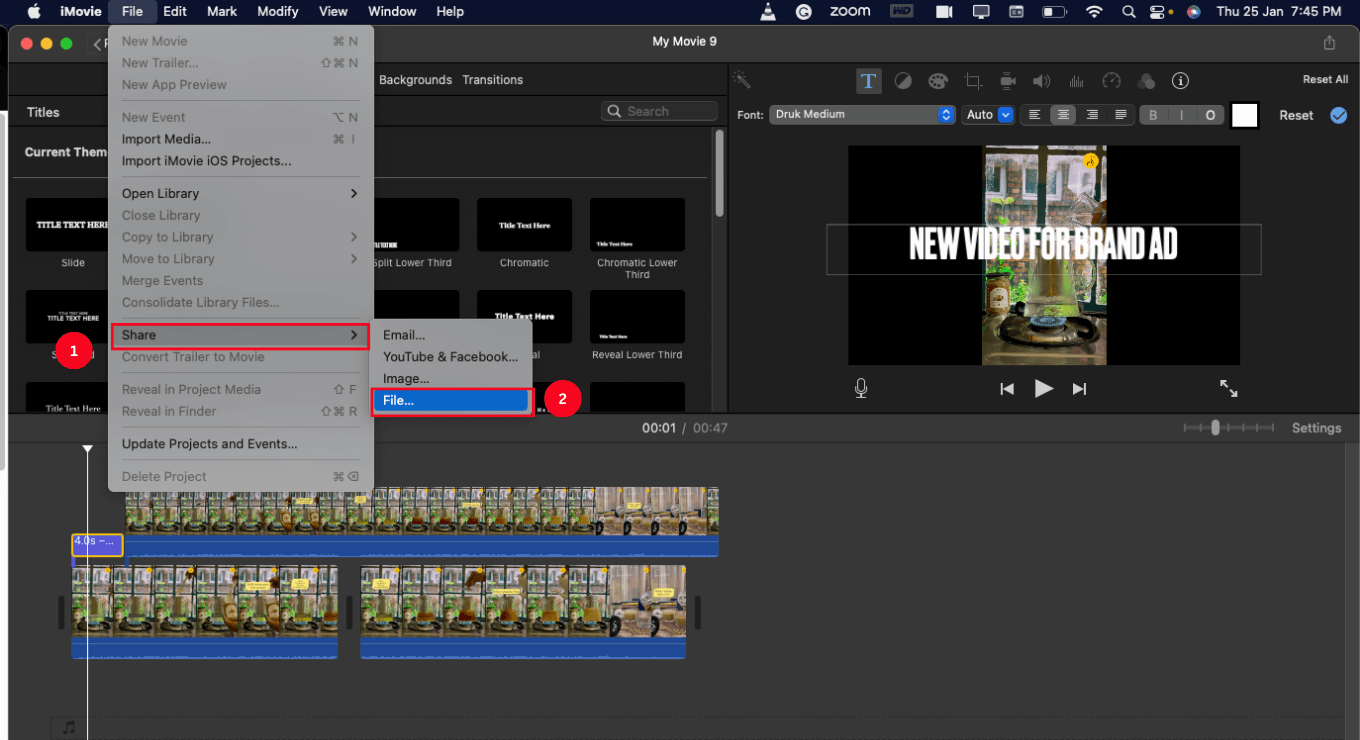
 Step 5: Once you've added all the subtitles or captions, the final step is to save the video. For this, select File > Share, followed by choosing the File again. Lastly, you can name the edited video and click ‘Save.’
Can You Import an SRT File into iMovie?
No. iMovie does not have a built-in option to import an SRT, VTT, or any other subtitle file format. The SRT import button simply does not exist in iMovie.
The workaround is to use the SRT file as a reference. Open it in a text editor (TextEdit on Mac works fine) and copy each subtitle line into iMovie's Title boxes manually. You still need to time each box yourself, but at least you're not retyping every word. If you don't have an SRT file yet, a transcription tool like Notta can generate one from your video automatically; you can then use that file as your copy-paste source.
How to Add Subtitles in iMovie on iPhone or iPad
Just like Mac, it's quite simple and straightforward to add subtitles and even captions to iMovie videos. Here's how to add captions in iMovie.
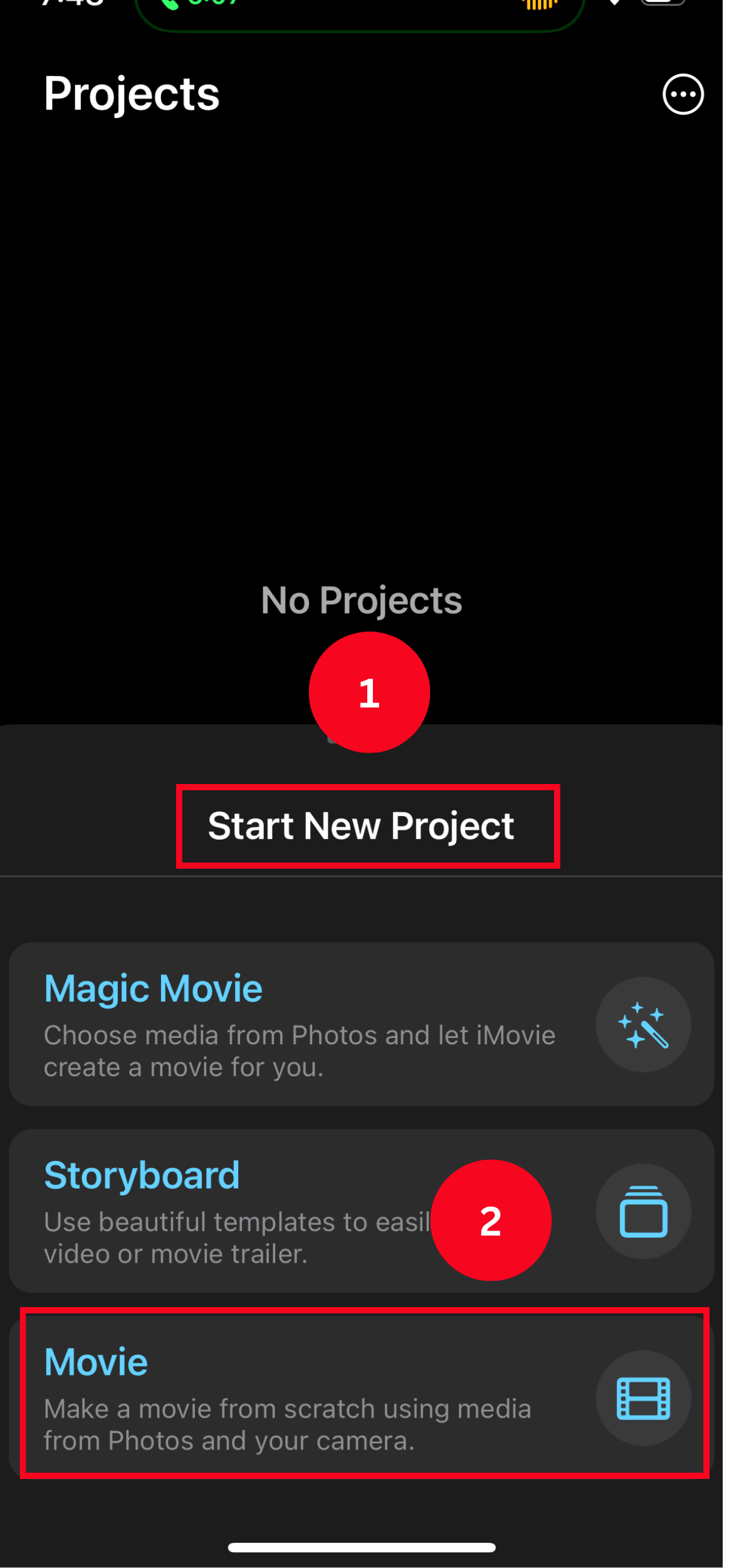
Step 1: Similar to Mac, launch the iMovie application on iPhone or iPad and locate the ‘Start New Project’ option. Click the ‘Movie’ icon and then import the video from the iOS device by selecting the ‘Create a Movie’ option.
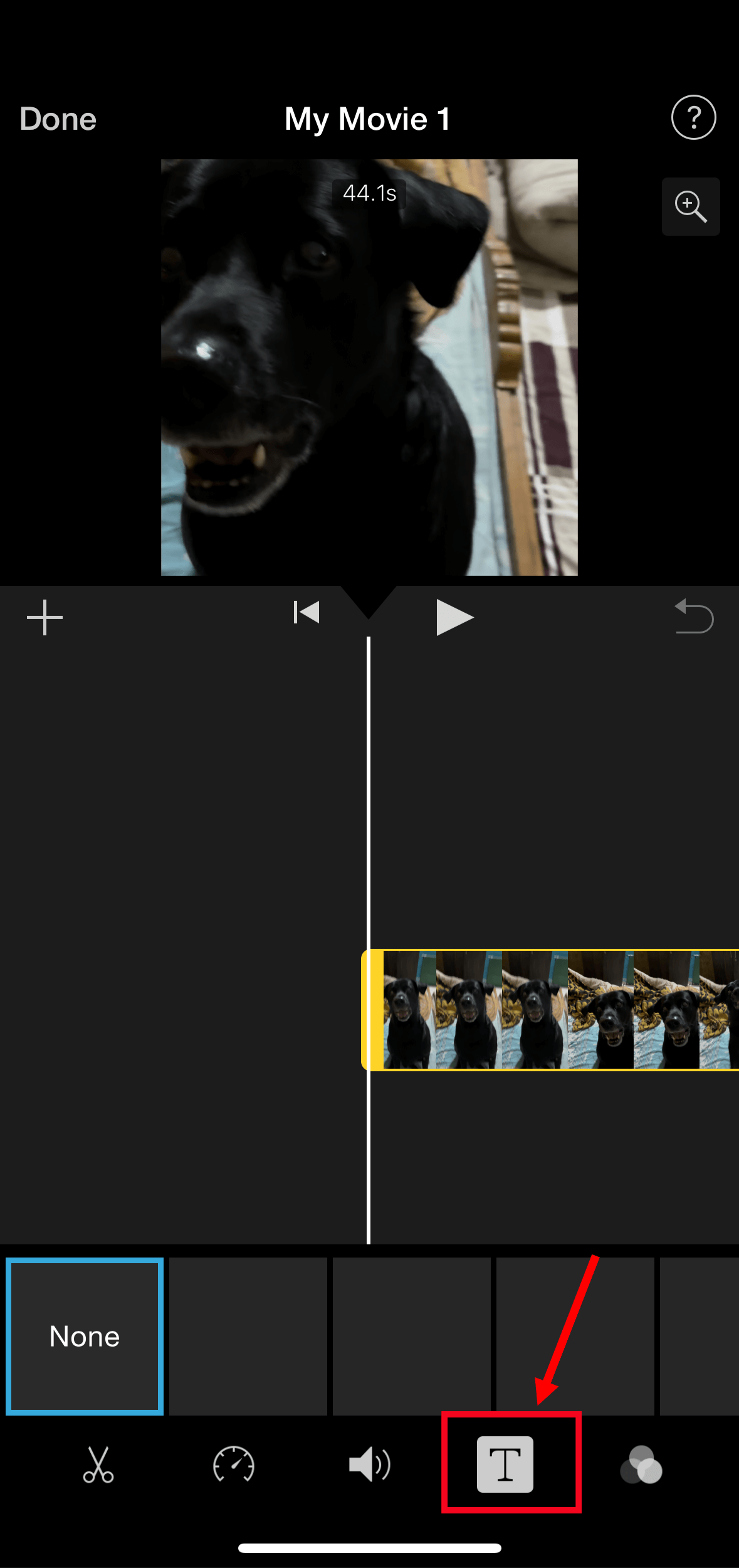
 Step 2: Next, select the media in the timeline, followed by the ‘T’ button at the bottom of the screen. A wide range of Title styles will be available beneath the timeline so you can choose the one that best suits your needs.
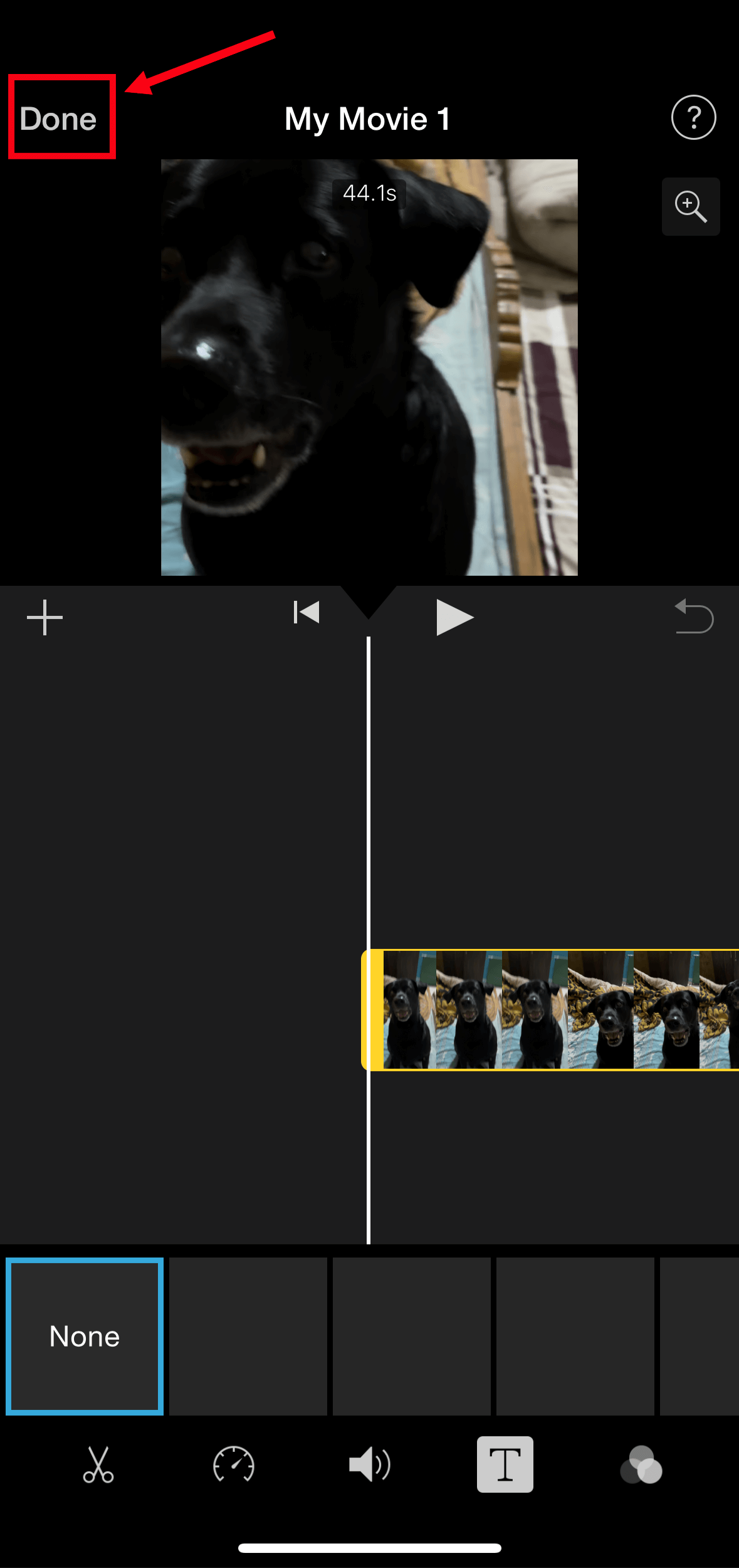
 Step 3: You can start typing the captions, and it'll appear at the top of the screen. In the top-left of the screen, click ‘Done’ and then select ‘Share’ to save the file.

Notta offers multi-language, accurate transcriptions to boost your video engagement.
How to Edit Subtitles You've Already Added
On Mac
Click the Title box you want to change in the timeline. To edit the text, double-click the subtitle in the video preview. To change the formatting, use the font panel in the upper right of the screen to adjust font, size, alignment, colour, and style from there.
To change the timing, drag the Title box along the timeline. To change the duration, drag either edge of the box.
On iPhone and iPad
Tap the Title box in the timeline to select it. Tap the text in the video preview and tap Edit to change the wording. Use the Aa button, colour circle, and … menu at the bottom to adjust formatting. Drag the yellow handles to adjust timing and duration.
iMovie is a decent video editing app for Mac, iPhone, and iPad and comes with a handful of advanced features to play with. It also integrates with iCloud Photo Library to easily preview or drag and drop clips into the timeline. If you want to further edit or customize the added subtitles on Mac, here are the steps you'll need to follow.
Open the video and click the Title box you want to edit. You can then double-click the subtitle you'd like to customize.
If you wish to open the text options, locate the ‘T’ icon and adjust the font type, font size, and alignment. The additional options like Italic (I), Bold (B), and Outlined (O) further improve the text style.
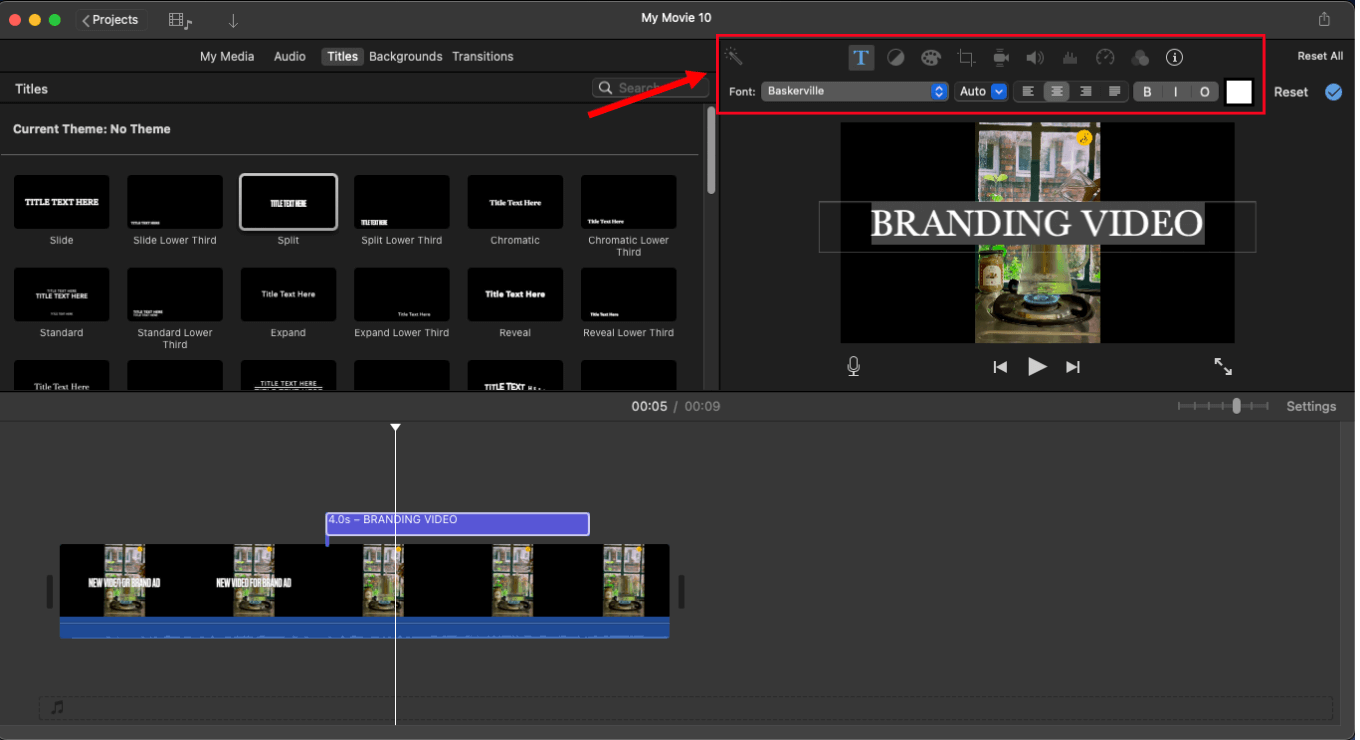
With the help of the subtitle (title) option in the timeline, you can even shorten or extend the duration of the subtitles by dragging the edges. Once done, you can export the video to save all the changes.
FAQs
How do I automatically create an SRT file from a video?
An SRT file is just a simple text file that's typically used alongside the video file. While you can manually listen to the video and convert the audio to text, it can be time-consuming. Thankfully, there's a solution — the Notta AI transcription tool. Here's how to automatically create an SRT file from a video.
Step 1: Open the Notta Web App on Mac or Windows. If you don't have a Notta account yet, create one and then log in with your credentials. In the right sidebar of the Notta dashboard, click the ‘Import Files’ option and drop the video.
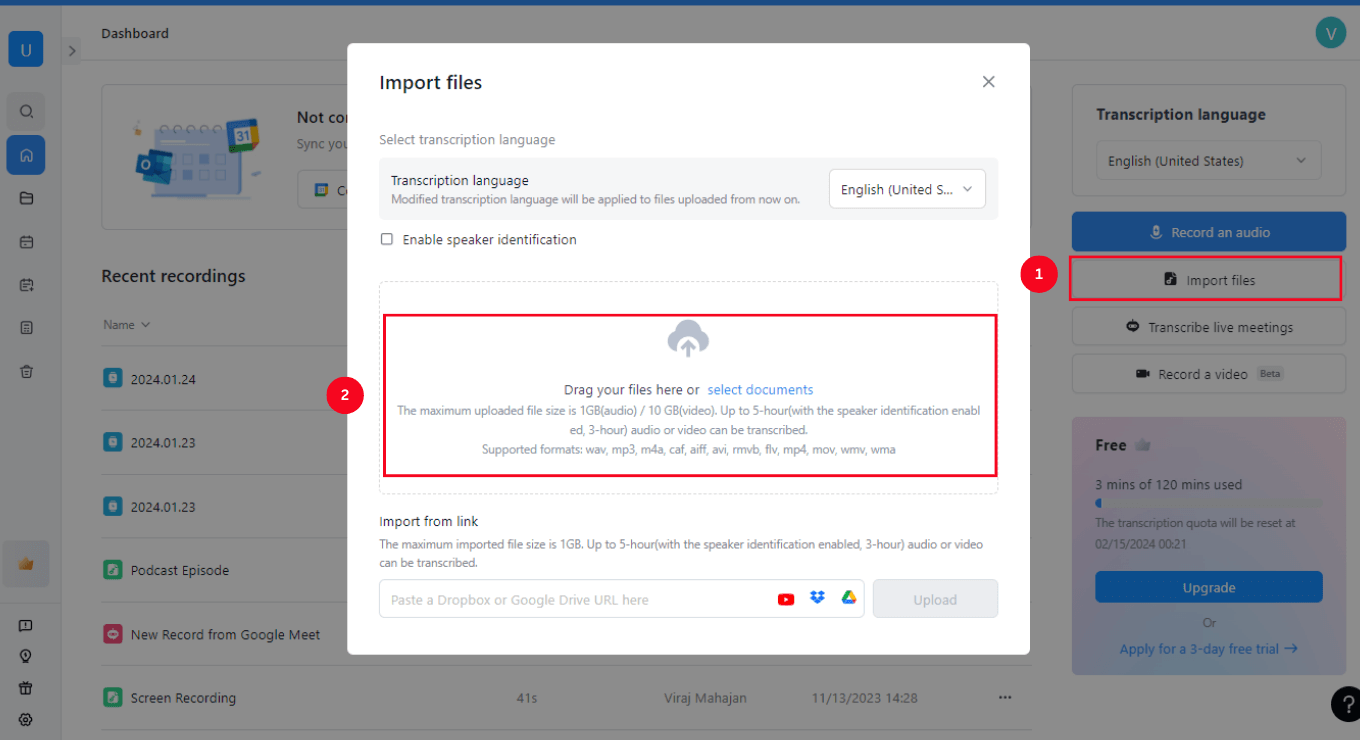 Step 2: Wait for a few minutes, as Notta will capture the voice from the uploaded video and then convert it into subtitles with maximum accuracy. Once done, double-click and open the recently transcribed file available under the ‘Recent Recordings’ section.
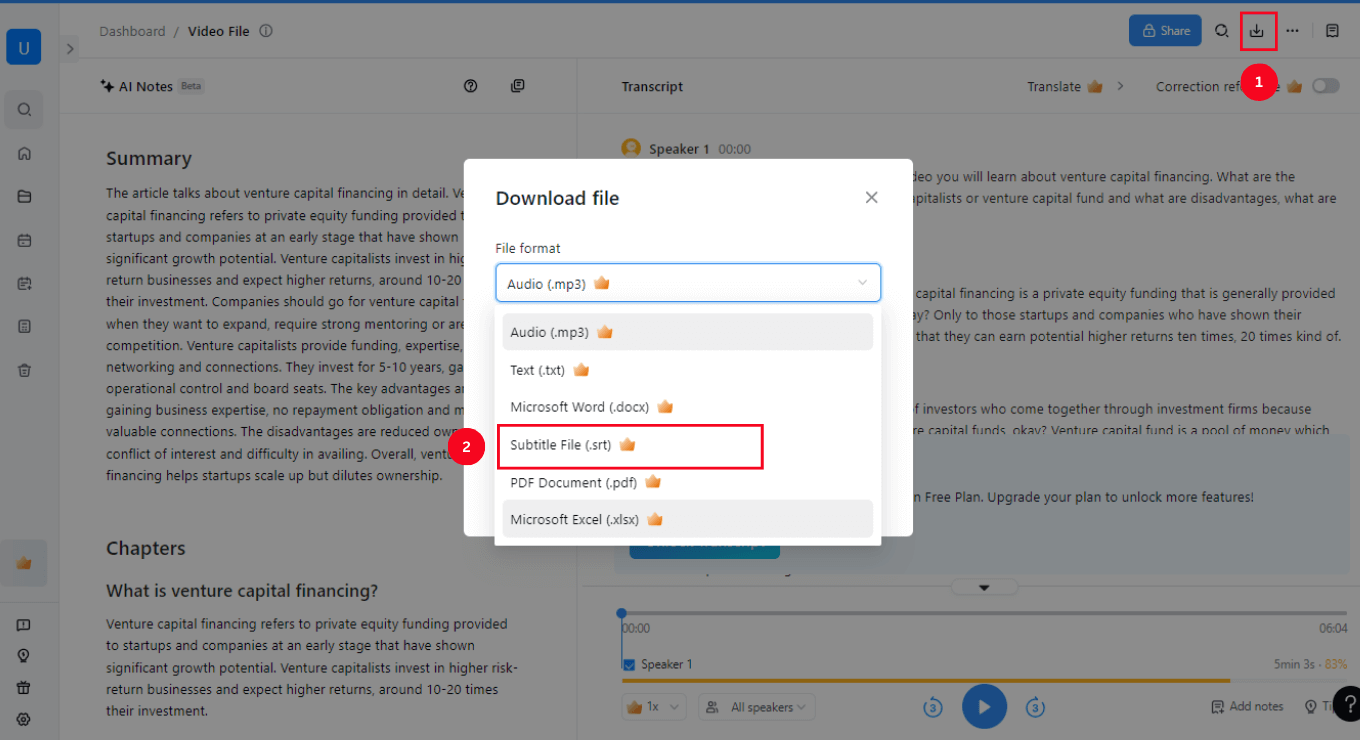
Step 3: At the top-right corner of the transcript page, locate and select the ‘Download’ icon. This will open a pop-up asking you to choose the file format. Choose ‘Subtitle File (SRT)’ and finally select the ‘Export’ option.
How do I add background subtitles in iMovie?
In order to add background subtitles in iMovie, just click any area of the video where you'd like to add the subtitles. The next step is to select the ‘Titles’ option typically available in the top toolbar of iMovie. Type the text and then adjust the font, size, and text alignment using the additional options available in the toolbar.
How to add subtitles to videos on iPhone?
iMovie and Inshot are two apps that help you add subtitles to videos on your iPhone. Here's a short guide on how to add subtitles to videos on iPhone via iMovie.
First, open the video in the iMovie app by tapping the ‘+’ icon on the screen.
The next step is to select the video clip and then tap the ‘Add Text’ option or the ‘T’ icon available right at the bottom of the iMovie window.
Now that you've added the text, there's an important thing to do: sync audio and subtitle text.
If you want to adjust the position and duration of the text caption, just tap the title in the timeline and move its beginning and end.
Once you've added the subtitles to the video, click the ‘Save Video’ option, and it’ll be directly saved to the iOS device.
Can you import an SRT file into iMovie?
No. iMovie does not support SRT file import. The workaround is to open your SRT file in a text editor and copy-paste each subtitle line into iMovie's Title boxes manually.
How many Title boxes do I need for a subtitled video?
One per subtitle line. A typical one-minute video with continuous dialogue might need 20 to 30 Title boxes. For a 10-minute video, expect 200 or more. This is the main practical limitation of using iMovie for subtitling; it is time-consuming relative to dedicated captioning tools.
Where are the subtitles positioned in iMovie?
By default, the position depends on the title style you choose. Some styles place text at the bottom, others in the centre or top. You can drag the text in the video preview to reposition it. For standard subtitles, bottom-centre is convention.
Does iMovie have a lower-thirds or subtitle-specific style?
The closest built-in styles for subtitle placement are Lower and Drift, which position text near the bottom of the frame. Lower Third is a standard option for speaker names or labels. Any style can be repositioned by dragging in the video preview.
Key takeaways
Now, whenever you create a video, you don't have to worry about how to add subtitles in iMovie on Mac, iPhone, and iPad. With a few clicks on the screen, iMovie allows you to add subtitles and captions alongside the video. You can even take things a step further by automatically creating an SRT file from any video using Notta's web or mobile apps. This voice-to-text app automates the process of converting spoken words into simple text, which can then be downloaded in various formats.

